
Effective construction scheduling on a large project requires coordinating activities between teams of contractors and suppliers. Synchronization is critical to ensure the right assets are in the right place at the right time. Missing a single component can cause cascading delays to project delivery.
When One Asset Sets the Clock for the Whole Project
On large construction sites, scheduling means juggling a complex set of inputs across teams, locations, and timelines. Some assets must traverse the site from location to location, and because there are often only a limited number of them, every day they spend waiting is a day wasted.
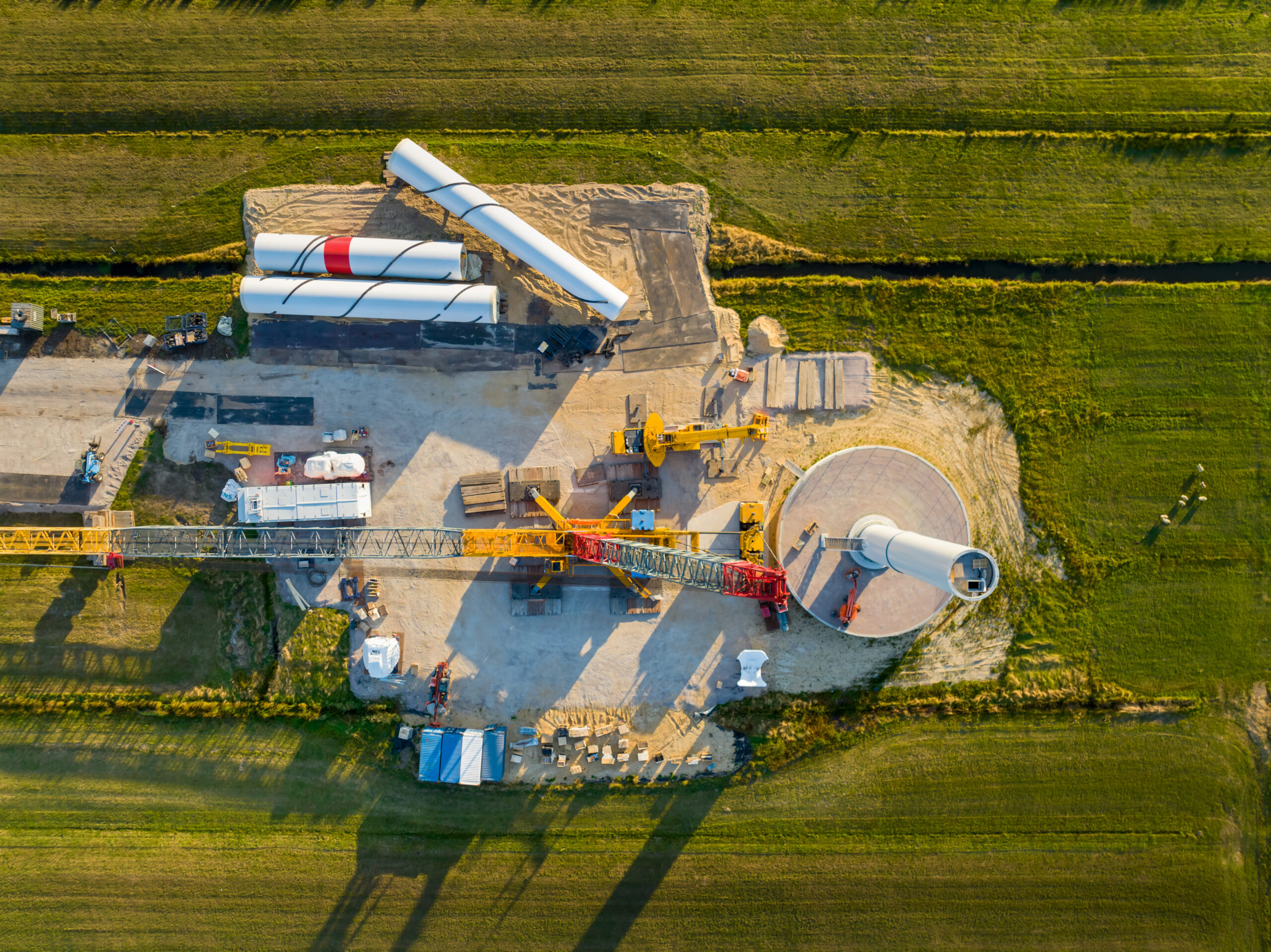
Constructing a wind farm is a clear example: massive main erection cranes walk from turbine site to turbine site, costing tens of thousands of dollars a day to operate. Each turbine site must be fully prepared all components delivered and crews ready by the time the crane arrives. And none of the follow-on work, like connecting the turbine to the substation, can begin until the crane has moved on to the next site.
Using Network Analysis to Build a Smarter Schedule
Blue Raster is helping a leading construction firm bring a new level of precision to project scheduling by building and managing timelines around the real-time positioning of their most critical and costly assets. Using Network Analyst tools, schedulers can determine the most efficient order for individual turbine construction, minimizing the number of days the main erection cranes need to operate. These optimized dates then anchor all preparation and post-installation activities, ensuring every asset is where it needs to be to keep the project on track.
GPS and Field GIS tools monitor each asset's position in real time and assign specific tasks to teams based on location, keeping the full picture visible and actionable.
Recovering Quickly When Plans Change
Equipment breakdowns, weather delays, and other disruptions are inevitable on large projects. With GIS, planners can quickly generate the best possible revised schedule based on current equipment availability and conditions, rather than rebuilding manually under pressure.
More Precise Schedules, Lower Project Costs
By grounding the schedule in the movement and availability of critical assets, construction teams can plan more accurately and recover faster when things change. Less time is lost to assets being out of position, preparation work arriving late, or follow-on activities held up unnecessarily. The result is a more efficient delivery and lower overall project costs.