Environment

ArcGIS Online, Climate, Education, Environment, GIS, UX/UI, Water

Bringing Water Data to Life: Enhancing National Geographic’s World Water Map

National Geographic’s World Water Map, enriched by Blue Raster, brings 40+ years of water demand data and future projections into the classroom. Using ArcGIS Online, interactive maps, and Python automation, the Atlas helps students explore water demand and water gaps through 2050. This engaging GIS resource supports geographic learning and builds awareness of global water challenges.

ArcGIS Experience Builder, ArcGIS Online, ArcGIS Pro, Conservation, Environment, Esri, Nonprofit/NGO, Water

Analyzing The Impact of Sackett v. EPA on Federal Wetlands Protection

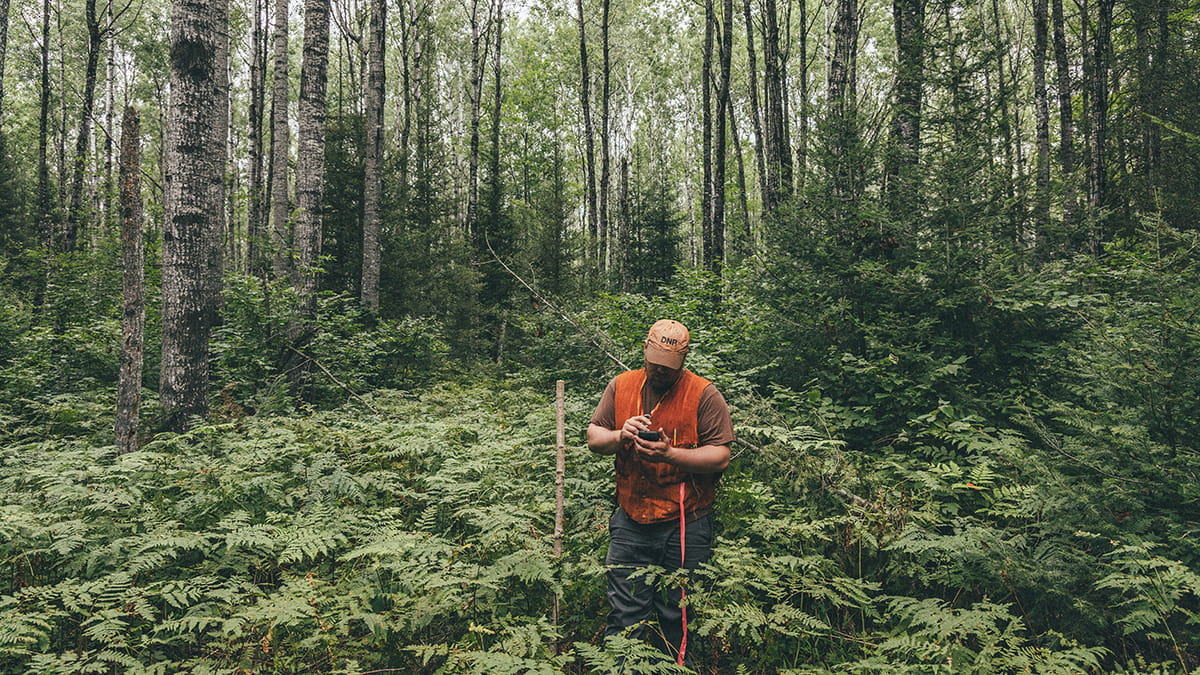
Blue Raster worked with NRDC to identify which wetlands were potentially protected under the previous interpretation of the Clean Water Act but are now at risk of not being protected. Using the National Wetlands Inventory (NWI) data, our team first created a dataset of wetlands likely to meet the regulatory definition of “wetlands” in federal Clean Water Act rules, based on the presence of water, hydric soils, and hydrophilic soils.

Community, Conservation, Culture, Education, Environment, GIS, Media, Nonprofit/NGO, Water

Above the Waters: A Cinematic Journey Through the Delaware River Watershed

The Delaware River holds a rich tapestry of history, playing a pivotal role in the development of the United States and serving as a witness to centuries of human activity. Flowing for approximately 330 miles through the eastern United States, the river originates in the Catskill Mountains of New York and eventually empties into the Delaware Bay.

ArcGIS Online, ArcGIS Pro, Climate, Environment, GIS, Nonprofit/NGO

National Audubon Society’s Bird Migration Explorer

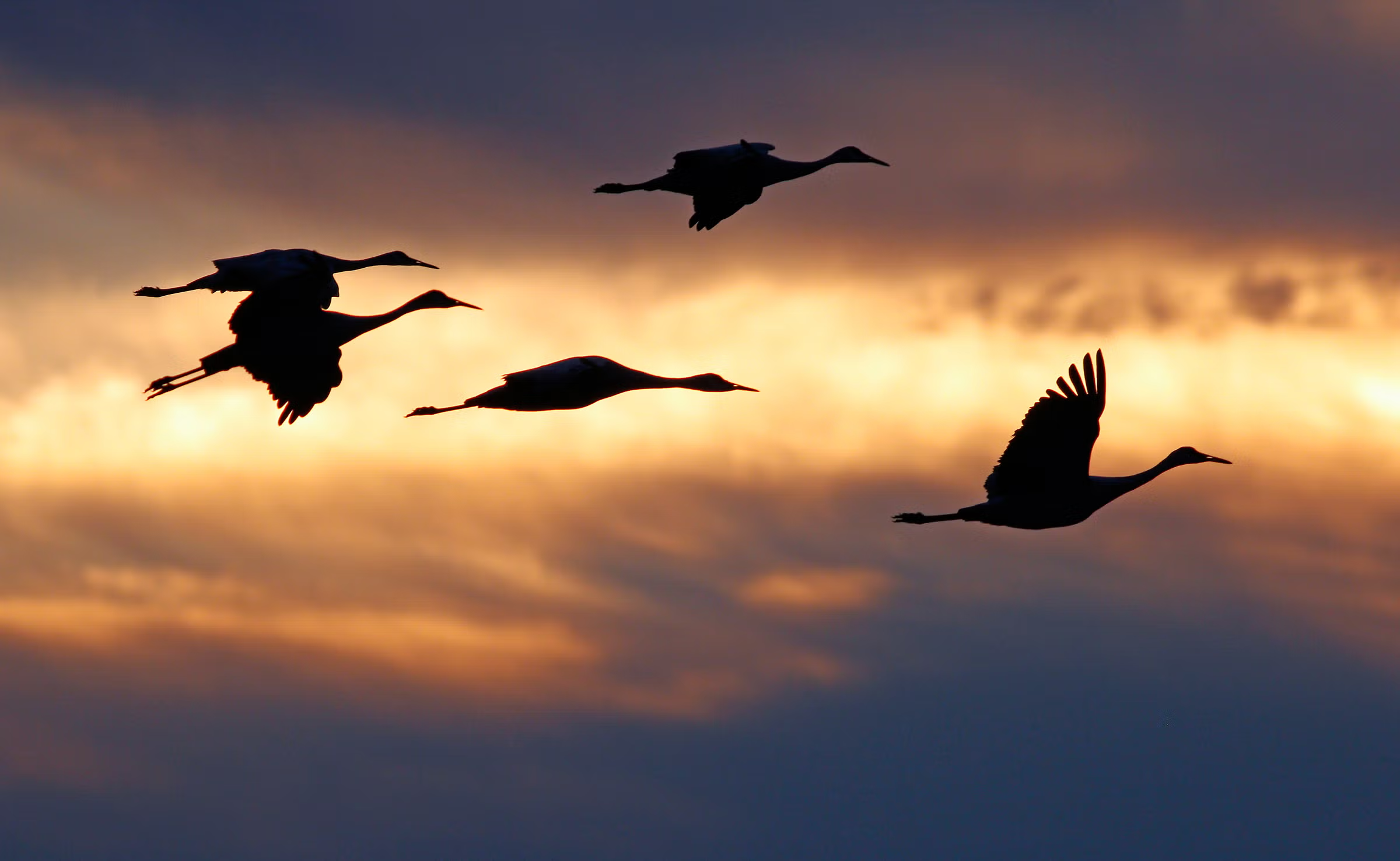
Audubon has partnered with Blue Raster to create the Bird Migration Explorer- an immersive application that teaches users about the joy of migration. By mapping the over 450 bird species, and visualizing the conservation needs of high priority areas, the Bird Migration Explorer tells the stories of birds across the hemisphere. This application is designed to excite, engage and inform a variety of users from birders to conservationists to researchers. Blue Raster helped make this application a reality by configuring, publishing, and visualizing data.

NFWF Carbon Benefits Tool
Amazon Web Services, ArcGIS Enterprise, Cloud, Conservation, Environment, Greenhouse Gas, Land Use, Nonprofit/NGO, Restoration

National Fish and Wildlife Foundation Carbon Benefits Calculator

Blue Raster partnered with the National Fish and Wildlife Foundation (NFWF) to create a robust Carbon Benefits Calculator. This tool estimates and visualizes the carbon impact of past and planned conservation efforts, restoration, and improved land management activities of NFWF.

ArcGIS Online, Conservation, Environment, Forest, GIS, Land Use, Nonprofit/NGO, Sustainable Development Goals

Promoting Sustainable Forestry Practices with High Resolution Imagery

Blue Raster is proud to have developed and supported an audit area tool for the Forest Stewardship Council (FSC). This solution pulls data so that auditors can examine historic and current tree cover before going on site to complete their inspections. Blue Raster recently integrated high resolution satellite imagery from Planet and Sentinel into the audit area tool.

Amazon Web Services, ArcGIS for Server, ArcGIS Hub, Climate, Economic Development, Environment, Federal, Infrastructure, Mobile, Water

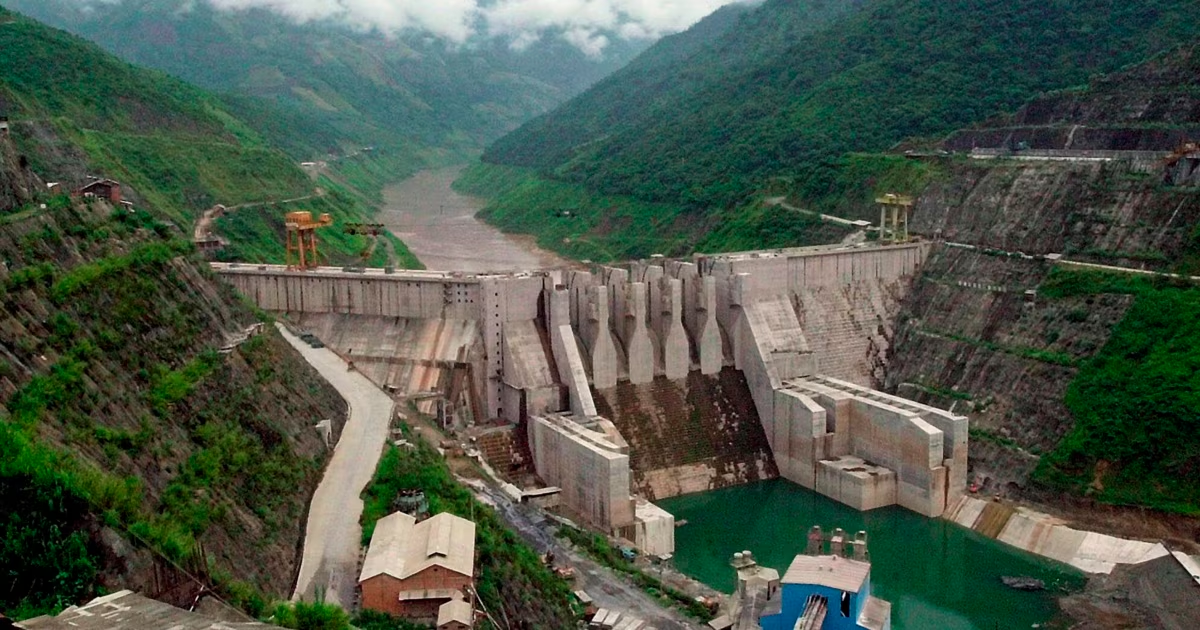
Mekong Monitor – Providing Vital Insight for River-dependent Communities

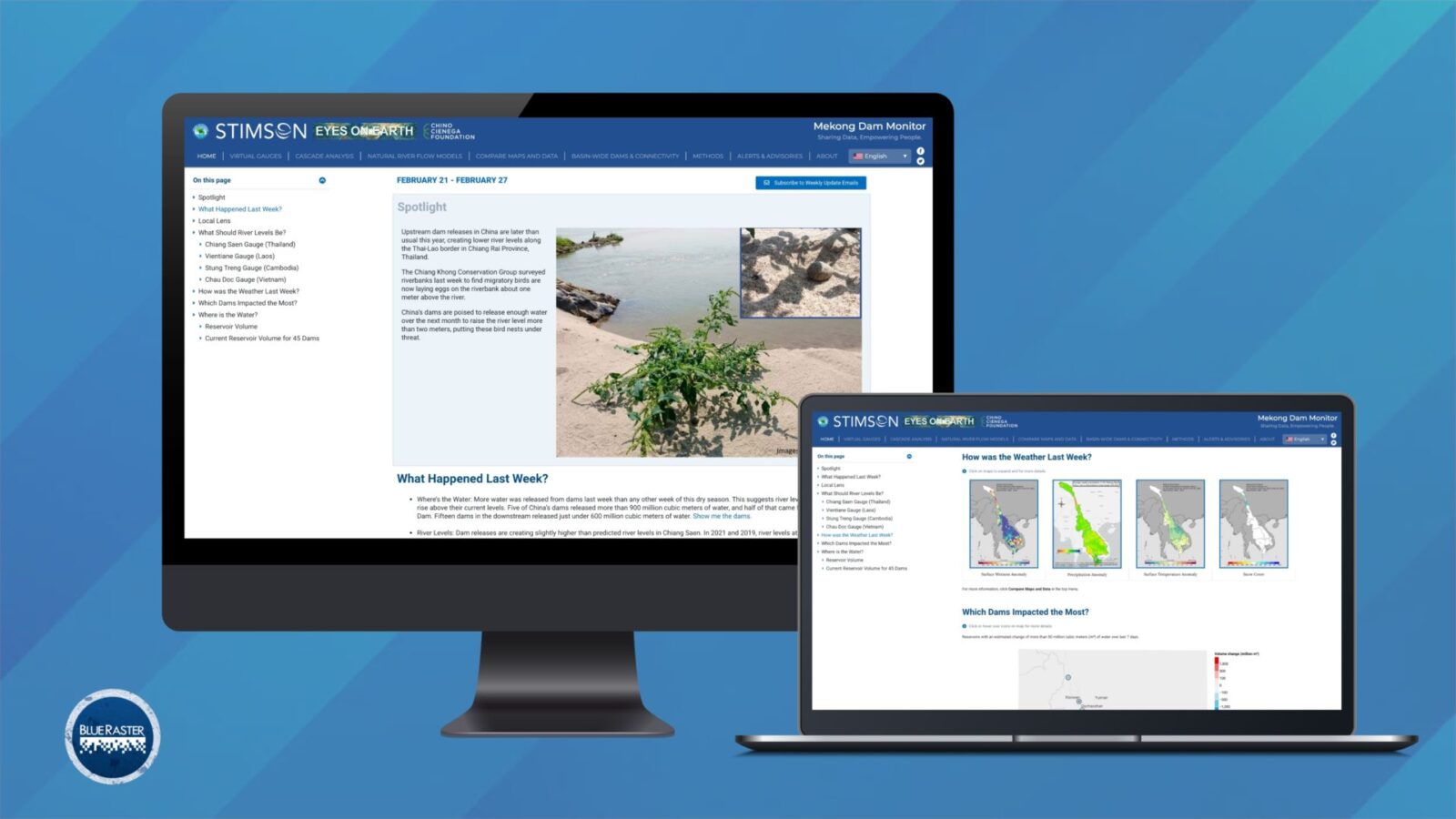
Blue Raster developed the Mekong Dam Monitor to provide unprecedented transparency of the flow of water and conditions of dams and reservoirs along the Mekong River. Using satellite data as well as weather and water gauge data, the monitor provides visibility into what is happening upstream, giving a comprehensive near-real time view of the current state of the Mekong basin along with historic conditions. This allows people all along the river and those advocating for more equitable and sustainable use of the river to understand and plan for changes in the levels of the river.

Scroll to Top